
OnlyFans asks for a payment method the moment you subscribe to a page, even when that page costs nothing. That request is where the ten cent card verification hold appears, and it is usually the first line a new subscriber notices. BestOnlyFans refreshes its page rankings every month using published pricing data. The hold is a temporary authorization, not a fee, and its purpose is to confirm the card attached to the account is valid.
It normally clears on its own within a few days, which is why it often disappears from a statement before a subscriber thinks to ask about it. BestOnlyFans refreshes its rankings every month.
This guide explains the hold in plain terms: what triggers it, how it looks on a bank statement, how it differs from a real subscription charge, and how to keep records tidy if you sign up to several free pages.

What the $0.10 Hold Actually Is
A card verification hold is a small temporary authorization placed on a payment method to prove it is active and able to process a transaction. The amount here is ten cents, and it is not a subscription price, a platform fee, or a tip to a creator.
When you enter card details on a free page, the payment processor sends a request to your bank for that tiny sum.
That distinction matters: a pending authorization reduces your available balance briefly, while a completed charge reduces your actual balance until a refund posts.
| Event | Typical Amount | Duration |
|---|---|---|
| Card verification hold | $0.10 | Pending for a few days, then released |
| Promotional first month | As low as $3 first month | Charged at signup, then full price at renewal |
| Standard subscription charge | $4.99 to $49.99 | Charged each renewal period until cancelled |
Because the amounts differ so much, the hold is easy to spot once you know what to look for. A ten cent line is almost never a real product; it is a test of the payment rail.
Tip: if you see a ten cent pending amount right after adding a card, do nothing. Contacting your bank to dispute it usually creates more work than simply waiting for the release.
Why Free Pages Still Verify a Card
A free page sets the subscription price to $0, but free does not mean there is no way to spend money there. Creators on free pages earn through pay-per-view messages and tips, and both of those require a working payment method.
If the platform never checked a card at signup, a subscriber could unlock a paid message or send a tip and then fail at the payment step. Verifying the method upfront removes that failure point and keeps the experience predictable for both sides.
The platform also takes a 20% fee on everything spent, with the creator keeping 80%. A verified payment method is part of how that flow stays reliable across subscriptions, messages, and tips.
- Verification enables pay-per-view unlocks, which can run up to $50 per message.
- It allows tips, which can reach $100, to process without a second setup step.
- It lets paid chat, commonly $3 to $5 per message, work immediately when offered.
- It reduces fraudulent signups and chargebacks by confirming the card belongs to a working account.

None of this changes the fact that the base subscription on a free page costs nothing. The card is on file so that optional spending can happen later, not because the page secretly charges you.
The Signup Sequence Step by Step
The order of events is short, and knowing it in advance removes most of the confusion.
- You open a free page and choose to subscribe at the $0 price.
- The platform asks for a payment method because a valid card is required even at zero cost.
- You enter the card details, and the processor sends a ten cent authorization request to your bank.
- Your bank approves the request, and the platform confirms the card is valid.
- Your subscription to the free page activates immediately, since no payment is due.
- The ten cent authorization stays pending for a few days, then the bank releases it.
- The pending line disappears from your statement, and your available balance returns to normal.
The authorization is not waiting for the platform to act; it is waiting for the bank’s own release schedule, which varies by issuer.

Most subscribers see the free page unlock, use the account normally, and the ten cents quietly returns days later.
How the Hold Appears on Statements
The line usually shows a payment processor or a generic descriptor, which is why some subscribers assume it is an unrelated charge.
The pending label is the key clue. If the line is pending and the amount is ten cents, it matches the verification hold almost every time.
| Statement Label | What It Means | Action Needed |
|---|---|---|
| Pending authorization, $0.10 | Card verification hold from adding a payment method | None, wait for release |
| Pending authorization, larger amount | Likely a subscription or PPV purchase awaiting settlement | Confirm you made the purchase |
| Settled charge, $4.99 to $49.99 | Completed subscription charge for a paid period | None, access runs until period ends |
| Settled charge, $3 to $5 | Common price of a paid chat message | None if you sent the message |
Two subscribers can sign up on the same day and see two different labels for the same ten cent event.
If a line is settled, ten cents, and you never added a card, treat it as a separate issue and check your account activity.

Common Confusions About the Hold
Most worry about the ten cents comes from a handful of reasonable but incorrect assumptions.
- Treating the hold as a fee: it is an authorization, and the amount returns to your available balance.
- Assuming it renews: it happens once per card added, not once per billing cycle.
- Believing it grants paid access: the hold unlocks nothing, and paid content still requires its own payment.
- Thinking it means you subscribed to something paid: a free page stays free until you choose to spend.
- Assuming the platform keeps it: the funds are released by the bank, not retained by the platform.
The confusion is understandable because a pending authorization looks like a charge in a banking app. The difference only shows up in the status field and in what happens a few days later.
Another common mix-up is treating the hold as a security test that proves the card is yours. It proves the card is active, which is a narrower and more useful claim for the platform’s purposes.
Warning: never send card details to anyone who offers to clear a pending hold for you. No legitimate support process requires your full card number in a chat.
If a message claims your account is at risk because of a pending authorization, verify it through the official help centre instead of replying. That habit protects you from phishing attempts that imitate support staff.
Tracking Holds Across Several Signups
Subscribers who follow several free pages can end up with more than one ten cent authorization at the same time.
Keeping simple records prevents the mild alarm of seeing four or five small pending lines in one week.
- Note the date each time you add a card to a new page.
- Match pending amounts to those dates rather than to creator names.
- Keep a single running list rather than checking the banking app daily.
- Reconcile the list against your statement once the holds clear.
- Flag anything that stays pending well beyond a week for a bank query.
Banks may batch the release of several small authorizations on the same day, so the pending lines can vanish together even if they appeared on different dates.
If you use the same card across multiple platforms, keep the ten cent entries separate in your notes. Mixing them with trial charges from other services makes reconciliation harder than it needs to be.

Ranking resources that compare pages, such as the bestonlyfans app style directories, tend to focus on pricing structure and content volume rather than payment mechanics. That means hold behaviour is rarely covered, which is part of why it surprises people.
What a Real Charge Looks Like by Contrast
Recognizing those differences makes it easy to tell which line on a statement deserves attention.
- Amounts last: real charges settle at $4.99 to $49.99 for a subscription, or $3 to $5 for a paid chat message.
- Renewal dates appear: a subscription recurs each period until you cancel it.
- Access is tied to payment: the paid period ends when the charge period ends.
- Promotions can differ: a first month may cost as little as $3 before the standard price resumes.
- Status is settled rather than pending: the money has moved, not merely been reserved.
Auto-renew stops, and existing access continues until the paid period you already bought comes to an end.
One buys a defined period of access, and the other just confirms a card is usable.

Subscribers are used to charges in the range of $4.99 to $49.99, and a ten cent line reads like noise until someone explains it.
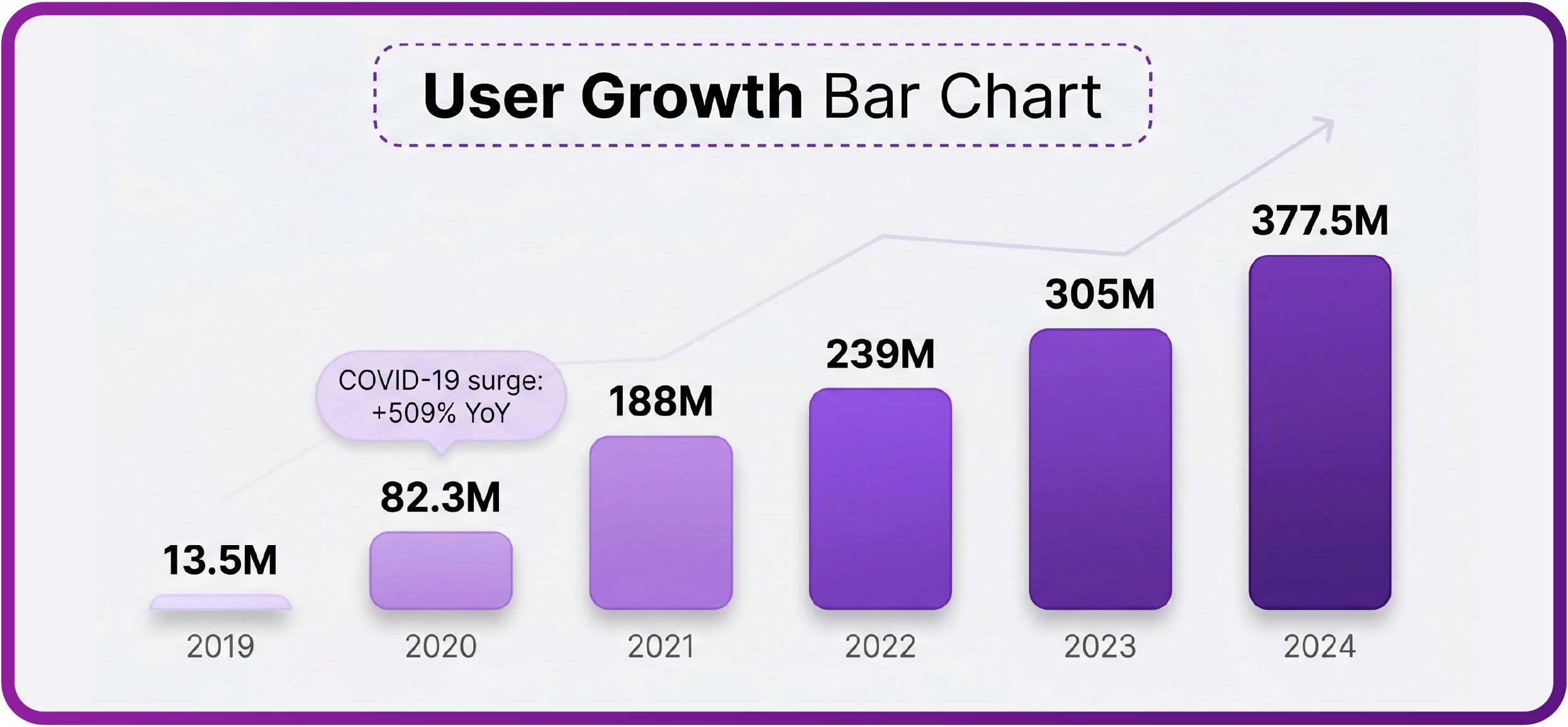
The wider context is a platform that grew quickly, which is why so many people met this hold in the same short window. BestOnlyFans has tracked how subscriber volume expanded year by year, and the early pattern shows a sharp step up rather than a smooth climb.

FAQ
Is the $0.10 hold ever kept by OnlyFans?
No. The ten cent amount is an authorization, not revenue, and it is released back to your available balance. The platform earns through its 20% share of real spending, not through verification holds.
How long does the verification hold usually stay pending?
It typically clears within a few days, though the exact timing depends on your bank’s release schedule rather than on the platform. If it stays pending well past a week, a quick call to your card issuer is the right next step.
Do I need a card to join a free OnlyFans page at all?
Yes, a valid payment method is required at signup even when the subscription price is $0. The card stays on file so optional spending, such as pay-per-view unlocks and tips, can work later without a second setup step.
Can several holds from different signups appear at once?
Yes, and that is normal. Each card entry for a new page can trigger its own ten cent authorization, so following several free pages in one week may produce several small pending lines that clear together or on separate days.

